
Simple Ways to Protect Your Yard Through the Winter Months
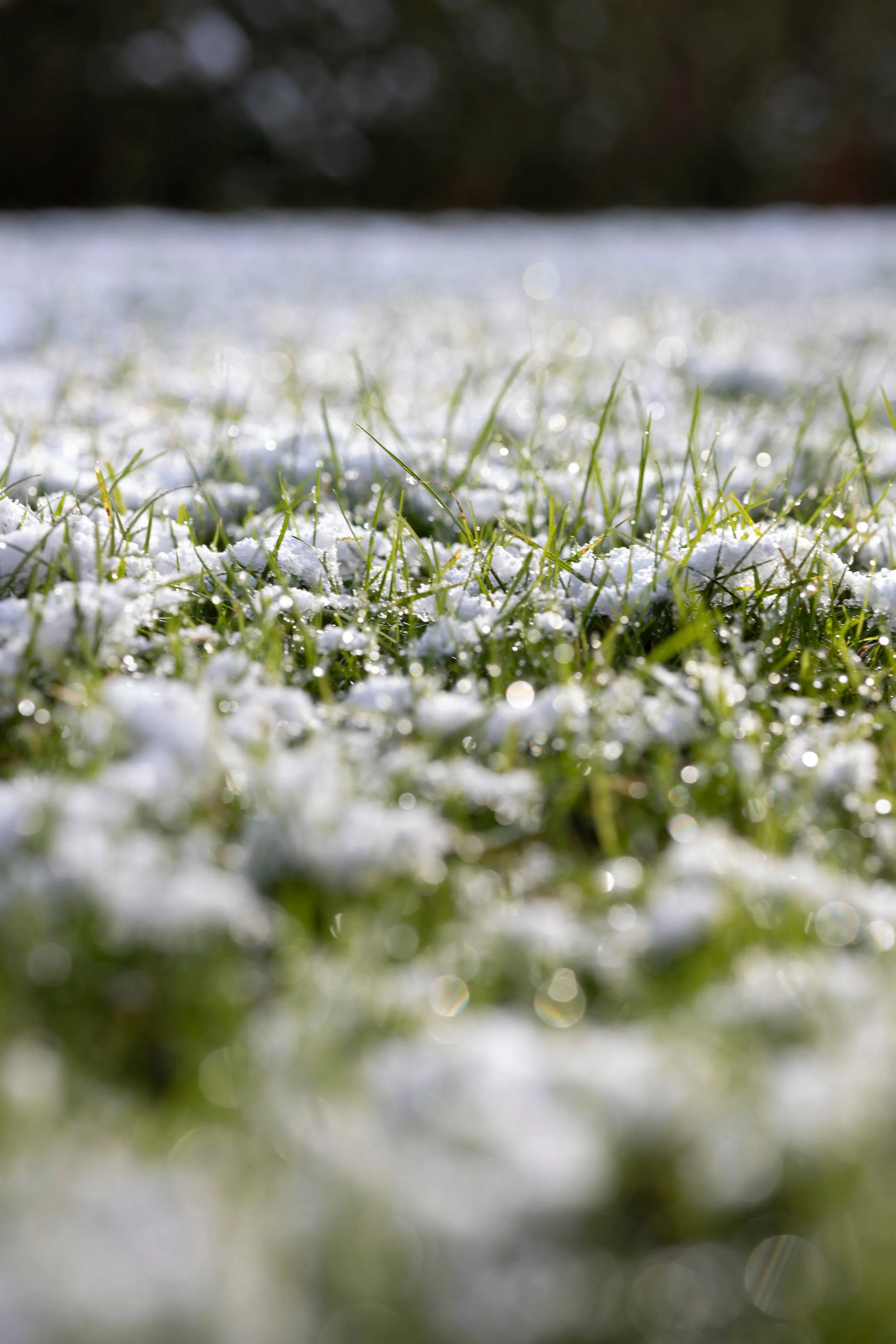
Winter’s cold, snow, and ice are tough on us – and our lawns. How can you help your grass to weather the sometimes frigid weather? Stay off your lawn, for starters, but there are other simple ways you can protect your yard through the winter months.
Assuming you’ve followed our Busy Homeowner’s Winter Maintenance Guide, you put away your mower weeks ago and are waiting for your lawn to green up in spring.
So here are 5 things you can do now to protect your lawn through the winter months.
1. Remove Leaves and Debris
A few leaves on the ground won’t matter but thick foliage can suffocate grass. Overly-wet leaves may bring on diseases like root rot, pythium blight, and various fungi.
What to do: Remove all wet and matted leaves from your lawn.
2. Add a Layer of Mulch
A winter blanket of mulch protects the soil against freeze-and-thaw cycles. Soil or frost heaving pushes shallow grass blade roots out of the ground. Mulching, especially around bare spots, protects the soil’s overall temperature.
What to do: Apply 3 to 5 inches of chopped leaves or straw mulch after the first hard freeze.
3. Prevent Rock Salt Damage
Spread your ice salt with care, as it can leach into the soil, damaging grass and disrupting its growth. Rule of thumb? Keep salt, sand, and melting pellets placed on sidewalks and the driveway away from the yard.
What to do: If ice melt did get on your grass, flush the soil with water after snowmelt to help move any remaining salt out of the root zone. Apply gypsum to neutralize the remaining sodium.
4. Stay Off My Lawn!
Freezing temperatures, frosty and frozen grass, and foot traffic don’t mix – especially when the temperature stays below 32 degrees. Keep off the grass as much as possible.
What to do: If you must walk in the yard (to fill the bird feeders?), clear a path directly to where you need to be.
5. Water Less in Winter
Sufficient rain and snowfall keep the ground moist during winter months, but on dry, windy days with no precipitation on the ground or forthcoming, grass can dry out – especially in warmer climates.
What to do: Monitor the weather forecast and inspect your yard for dryness. Go from there. Water only as needed through the winter.
Take These Steps Now…
Thick, lush, green, trimmed, weed-free – it’s what every homeowner with a full yard of grass strives for every growing season. But it takes a lot of sweat-equity and a little know-how to keep our lawns looking their best.
Protecting your yard against winter’s hazards is a basic, effective way to ensure spring will soon be blooming in all its splendid color. Simplicity and sunshine is a sweet start to it all — and the outcome is so worth it!
About the Author
Teri Silver is a journalist and outdoor enthusiast. She and her husband live on 5 acres with a vast lawn, three gardens, a farm, a pond, many trees, and a lot of yard work! The best parts of the year are summer and fall when home-grown veggies are on the dinner table.